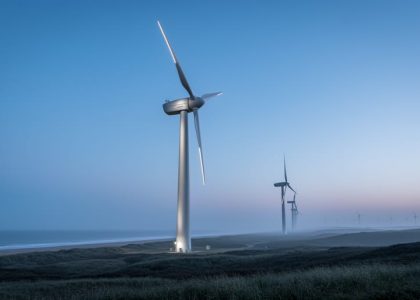
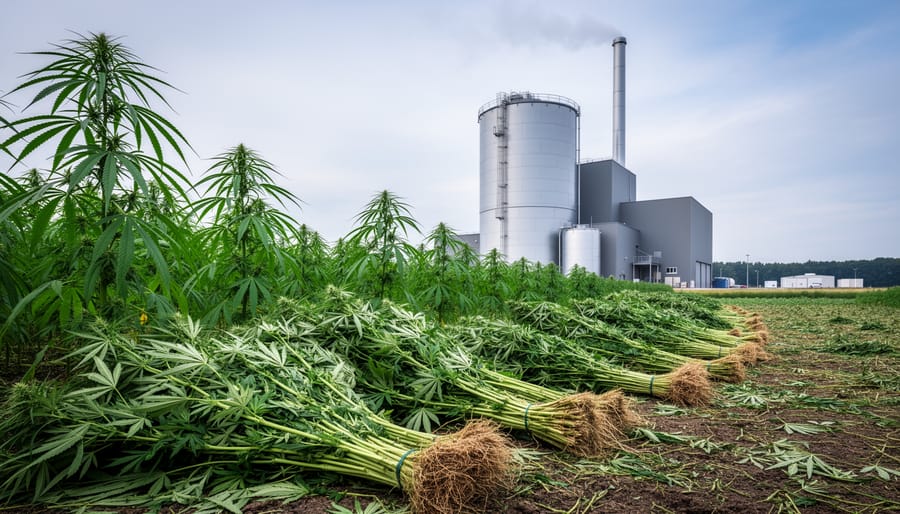
Hemp bioenergy refers to the conversion of hemp biomass into renewable fuels and power, transforming agricultural residues, leftover stalks, seeds, and even waste from cannabinoid products manufacturing into sustainable energy sources. As the renewable energy sector expands in 2026, hemp has emerged as a versatile feedstock capable of producing biodiesel, bioethanol, biogas, and solid biomass pellets, offering a carbon-neutral alternative to fossil fuels while addressing agricultural waste challenges.
The convergence of hemp cultivation and renewable energy innovation addresses two critical global needs at once. Industrial hemp grows rapidly, requires minimal chemical inputs, and absorbs significant atmospheric carbon dioxide during its growth cycle. When harvested, every part of the plant can be repurposed. The stalks and leaves that remain after fiber or seed extraction, along with processing residuals from hemp-derived cannabis operations, become raw material for energy production rather than agricultural waste destined for landfills.
Recent technological advances have dramatically improved the efficiency of converting hemp biomass into usable energy. New enzymatic hydrolysis methods extract more fermentable sugars for bioethanol production, while gasification systems can now process hemp residues at smaller scales, making decentralized energy generation economically viable for farming communities. The dual-use nature of hemp, cultivated both for industrial applications and cannabinoid extraction, creates an integrated supply chain where waste streams from one process fuel energy production in another.
This article examines how hemp biomass transforms into renewable energy, explores the various forms of bioenergy hemp can produce, and highlights the latest innovations reshaping this intersection of agriculture and clean power. Understanding these systems provides essential insights for anyone involved in renewable energy development, sustainable agriculture, or cannabis industry operations seeking circular economy solutions.
What Hemp Bioenergy Means for Renewable Systems
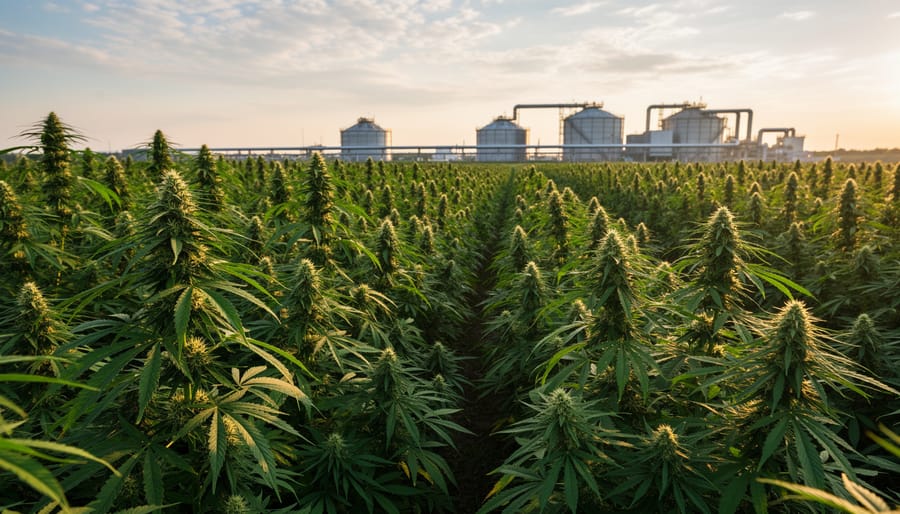
Hemp bioenergy transforms plant material from industrial hemp crops into practical fuel sources that power vehicles, heat buildings, and generate electricity. At its core, this renewable pathway captures solar energy stored in hemp’s fast-growing biomass and converts it through biological or chemical processes into bioethanol, biodiesel, biogas, and solid fuel pellets. The feedstock includes stalks, leaves, seeds, and increasingly the waste streams from cannabis cultivation facilities that would otherwise end up in landfills.
Understanding the terminology clarifies how this energy system functions:
- Industrial Hemp
- Cannabis sativa plants containing less than 0.3% THC, cultivated primarily for fiber, seed, and biomass rather than psychoactive compounds.
- Hemp Biomass
- The total organic matter from hemp plants available for energy conversion, including stalks, leaves, seeds, and processing residues from both industrial hemp and cannabis operations.
- Lignocellulosic Feedstock
- Plant material composed of cellulose, hemicellulose, and lignin, the structural components that make hemp stalks particularly valuable for bioenergy production.
- Hemp Hurds
- The woody core of hemp stalks remaining after fiber extraction, rich in cellulose and ideal for conversion into bioethanol or combustion fuels.
- Bioethanol
- Alcohol fuel produced by fermenting the sugars derived from hemp’s cellulose and hemicellulose, compatible with existing gasoline infrastructure when blended.
- Anaerobic Digestion
- Microbial breakdown of organic material in oxygen-free conditions, converting hemp biomass into methane-rich biogas suitable for electricity generation or pipeline injection.
The distinction between industrial hemp and hemp-derived cannabis matters for feedstock supply chains. Industrial hemp provides dedicated energy crops grown specifically for biomass yield, while cannabis cultivation facilities generate substantial organic waste during harvesting and processing. Both streams contain the same chemical building blocks, making them interchangeable in most conversion technologies. A cannabis processing facility might send trimmed leaves and stalks to an adjacent biogas digester, while a dedicated hemp farm harvests entire plants for pellet production. This dual-source model expands available feedstock without competition, positioning hemp bioenergy as a practical complement to other renewable sources rather than a replacement.
How Hemp Bioenergy Production Works
Cultivation and Biomass Yield
Hemp cultivation offers exceptional biomass productivity with minimal environmental impact. The plant reaches full maturity in approximately 120 days, allowing multiple harvests per year in favorable climates. This rapid growth cycle delivers biomass yields of 10 to 15 dry tons per hectare, significantly outperforming traditional energy crops like corn or switchgrass.
Water efficiency sets hemp apart from conventional biomass sources. The crop requires roughly half the irrigation of corn while thriving in diverse soil conditions without intensive fertilization. Pest resistance eliminates the need for synthetic pesticides, reducing chemical inputs and production costs.
During its growth phase, hemp actively sequesters carbon dioxide from the atmosphere at rates exceeding most annual crops. Each hectare absorbs approximately 15 tons of CO₂, offsetting emissions from subsequent energy conversion processes.
The integration of cannabis cultivation waste streams amplifies biomass availability. Stalks, leaves, and processing residues from hemp-derived cannabis operations, previously discarded or composted, now feed bioenergy production systems. This waste-to-energy approach creates circular economic models within cannabis facilities, transforming byproducts into renewable fuel while reducing disposal costs and environmental burden.
Conversion Technologies
Hemp biomass transforms into energy through four distinct conversion pathways, each suited to different feedstock characteristics and energy applications. The choice of technology depends on the desired energy product, available infrastructure, and economic considerations.
Thermochemical Pathways
Thermochemical conversion uses high temperatures to break down hemp’s lignocellulosic structure without biological agents. Combustion burns dried hemp biomass directly at 800-1000°C to generate heat for steam turbines and electricity production. Gasification operates at 700-1200°C with limited oxygen, converting hemp into syngas, a mixture of hydrogen, carbon monoxide, and methane that fuels engines or synthesizes into liquid fuels. Pyrolysis heats hemp to 400-600°C in oxygen-free conditions, yielding bio-oil for refining into transportation fuels, biochar for soil amendment, and syngas for thermal energy.
Biochemical Pathways
Anaerobic digestion relies on microorganisms to decompose hemp in oxygen-free digesters, producing biogas (55-70% methane) suitable for electricity generation, heating, or upgrading to pipeline-quality biomethane. This pathway works particularly well with wet cannabis processing residues and fresh hemp leaves. Fermentation converts hemp cellulose into sugars through enzymatic hydrolysis, then uses yeast to produce bioethanol, though the process requires pretreatment to overcome hemp’s resistant cell walls.
- Combustion: dried stalks and leaves → direct burning at 800-1000°C → heat and electricity
- Gasification: dried biomass → partial oxidation at 700-1200°C → syngas for power generation
- Pyrolysis: hemp feedstock → oxygen-free heating at 400-600°C → bio-oil, biochar, syngas
- Anaerobic digestion: wet residues and leaves → microbial breakdown → biogas (55-70% methane)
- Fermentation: cellulose → enzymatic hydrolysis and yeast conversion → bioethanol
- Transesterification: hemp seed oil → reaction with alcohol and catalyst → biodiesel and glycerin
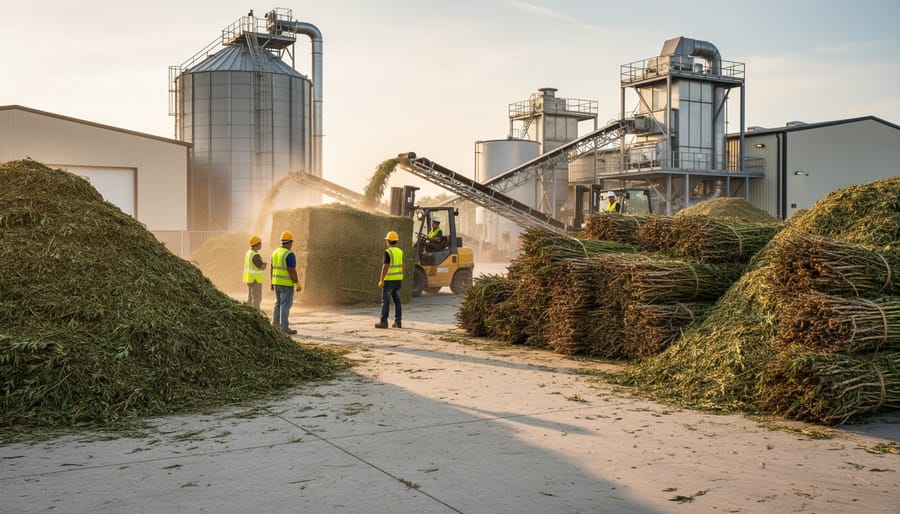
Transesterification chemically converts hemp seed oil into biodiesel by reacting it with methanol or ethanol and a catalyst, separating fatty acid methyl esters (biodiesel) from glycerin byproduct. Pelletization, while not strictly a conversion technology, compresses dried hemp into dense fuel pellets through mechanical pressure and heat, creating standardized solid fuel for existing biomass boilers and stoves.
Energy Output and Efficiency
Hemp bioenergy systems typically achieve conversion efficiencies ranging from 25% to 40% depending on the technology pathway employed. Combustion and co-firing operations generally reach 30-35% thermal efficiency, while advanced gasification systems can approach 40% when integrated with combined heat and power configurations. Biochemical routes like anaerobic digestion convert 50-60% of the organic matter into biogas, though final electrical efficiency drops to 35-40% after generation losses.
Per hectare, hemp produces 10-15 dry tonnes of biomass annually, yielding approximately 150-200 gigajoules of gross energy. This translates to roughly 3,500-4,800 liters of bioethanol equivalent or 42-58 megawatt-hours of electricity potential. When compared to corn ethanol or wood pellets, hemp demonstrates competitive energy density while requiring fewer inputs during cultivation.
Energy return on investment (EROI) for hemp bioenergy currently sits between 3:1 and 5:1, meaning each unit of energy invested in production returns three to five units. This positions hemp favorably against first-generation biofuels but below optimized lignocellulosic processes. Recent advances in enzymatic pretreatment and thermochemical catalyst design have improved conversion rates by 15-20% since 2023, pushing efficiencies higher while reducing processing energy requirements. Integrating waste heat recovery and biochar co-production further enhances net energy output in commercial installations.
Types of Hemp Bioenergy Products
Hemp Bioethanol and Biodiesel
Hemp bioethanol emerges from the cellulose-rich stalks and leaves of the hemp plant through enzymatic hydrolysis and fermentation, converting complex carbohydrates into ethanol suitable for blending with gasoline. The cellulose content in hemp stalks, typically 65-70% by dry weight, yields approximately 220-250 gallons of bioethanol per acre under optimized processing conditions. This output positions hemp competitively against corn ethanol while avoiding food-versus-fuel concerns.
Hemp biodiesel derives from cold-pressed hemp seed oil through transesterification, where triglycerides react with methanol or ethanol to produce fatty acid methyl esters (FAME). Each acre of hemp can yield 25-35 gallons of biodiesel from seed harvests, though dual-harvest systems targeting both fiber and seed remain technically challenging at scale.
Both fuels integrate seamlessly into existing infrastructure. Hemp bioethanol blends with conventional gasoline at standard ratios (E10, E15, E85) without engine modifications. Hemp biodiesel meets ASTM D6751 specifications for diesel fuel and runs in unmodified diesel engines, either pure (B100) or blended with petroleum diesel. Cold-weather performance of hemp biodiesel exceeds soy-based alternatives due to its fatty acid profile, with cloud points around -5°C compared to +2°C for soy biodiesel. Fleet operators in Europe have successfully tested hemp biodiesel blends in commercial vehicles since 2024, reporting comparable performance and reduced particulate emissions.
Hemp Biogas and Biomethane
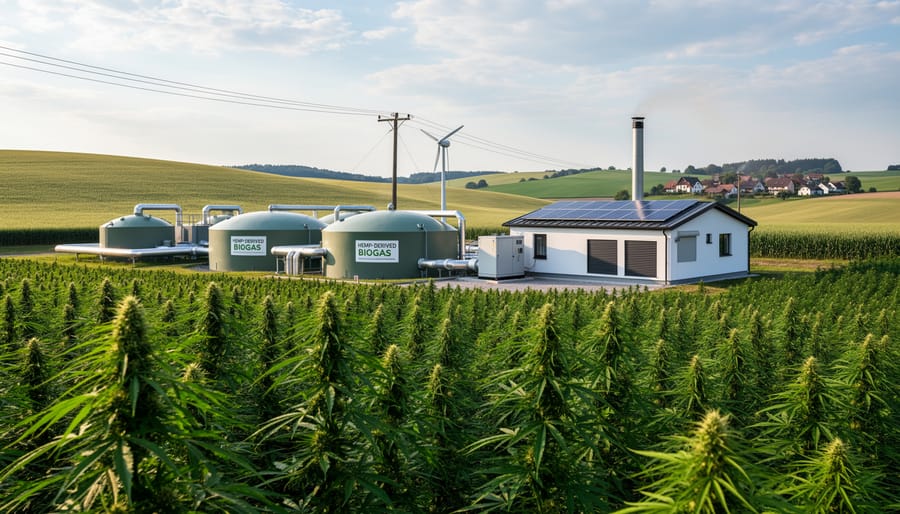
Hemp biogas emerges through anaerobic digestion, where microorganisms break down hemp stalks, leaves, and cannabis processing residues in oxygen-free environments. This biological process produces raw biogas, typically 50-70% methane, with the remainder carbon dioxide and trace gases. When upgraded to biomethane (95%+ methane), it becomes grid-compatible and functionally identical to fossil natural gas.
Cannabis cultivation facilities generate substantial organic waste streams ideal for digestion: plant stalks post-harvest, trim waste, root systems, and spent growing media. A mid-scale cannabis operation producing 10 tonnes of biomass waste monthly can generate approximately 60-80 MWh of thermal energy annually through on-site digestion systems.
The real value lies in flexibility. Raw biogas powers combined heat and power (CHP) units that simultaneously generate electricity and capture waste heat for greenhouse operations or drying processes. Upgraded biomethane can be compressed for vehicle fuel, injected into existing natural gas infrastructure, or stored for demand-responsive generation. Several European hemp processors already inject biomethane into regional gas networks, earning renewable energy certificates while displacing fossil methane molecule-for-molecule. The digestate byproduct returns to fields as nutrient-rich fertilizer, closing the loop.
Hemp Pellets and Briquettes
Hemp pellets and briquettes represent the most straightforward form of hemp bioenergy, transforming compressed biomass into dense solid fuels for heating applications. These products are manufactured by compressing dried hemp stalks and leaves under high pressure, creating uniform cylinders (pellets) or blocks (briquettes) with consistent energy density.
Hemp pellets deliver 17-19 MJ/kg of energy, matching or exceeding wood pellets while producing approximately 20% less ash during combustion. The higher lignin content in hemp creates stronger natural binding without additives, resulting in more durable pellets that resist moisture and crumbling during transport. Industrial boilers and commercial heating systems can burn hemp pellets with minimal equipment modification, often blending them with wood pellets in existing infrastructure.
For residential applications, hemp pellets work in standard pellet stoves, though their faster burn rate requires slight airflow adjustments. The low sulfur and chlorine content means cleaner emissions and reduced maintenance compared to coal or lower-grade biomass. Cannabis cultivation facilities increasingly use hemp waste pellets for on-site heating, closing their energy loop while reducing disposal costs.
Applications and Use Cases in Renewable Energy Systems
Industrial and Agricultural Integration
On-farm hemp bioenergy systems offer producers direct energy independence while creating closed-loop resource cycles. Farmers convert hemp crop residues, stalks after fiber extraction, and field waste into biogas through anaerobic digesters sized for 50 to 500 kilowatt output. The digestate byproduct returns to fields as organic fertilizer, completing the nutrient cycle without external inputs.
Cannabis cultivation facilities have pioneered integrated energy models that address their substantial power demands. Indoor grow operations consume 2,000 to 3,000 kilowatt-hours per kilogram of dried flower. By gasifying trim waste, stems, and root balls in on-site systems, facilities generate electricity and capture waste heat for drying rooms and climate control. One Colorado facility cut grid dependency by 40 percent using a 200-kilowatt hemp gasification unit fueled entirely by cultivation waste.
Industrial combined heat and power installations at hemp processing plants achieve 75 to 85 percent overall efficiency. A European textile mill processing hemp fiber burns residual hurd in a 5-megawatt CHP system, meeting 90 percent of facility thermal needs and selling surplus electricity. These integrated approaches transform agriculture and manufacturing sites from pure energy consumers into distributed generation nodes within regional renewable networks.
Transportation Sector Applications
Hemp-derived biodiesel blended at 5-20% with conventional diesel is already compatible with most commercial fleet engines without modification, offering a drop-in solution that addresses transport fuel bottlenecks while reducing particulate emissions by up to 30%. European logistics companies have piloted hemp biodiesel in delivery trucks, demonstrating comparable engine performance and mileage to petroleum diesel with lower sulfur content and improved lubricity that extends engine life.
Bioethanol from hemp cellulose, though less developed than biodiesel, shows promise for blending in gasoline at E10 or E85 ratios, particularly in flex-fuel fleet vehicles. Current fermentation technologies yield approximately 340 liters of ethanol per ton of dry hemp biomass, with ongoing research targeting efficiency improvements through advanced enzymatic processes.
Aviation biofuel research presents hemp’s most ambitious application. Multiple airlines and aerospace manufacturers are evaluating hemp-seed oil and cellulosic derivatives as sustainable aviation fuel (SAF) feedstocks that meet ASTM D7566 specifications. While certification pathways remain under development, initial test flights using hemp-blended SAF have demonstrated acceptable combustion characteristics and freeze points required for high-altitude operations.
Marine fuel applications focus on hemp biodiesel meeting ISO 8217 bunker fuel standards for coastal shipping fleets, where slower adoption of alternative fuels creates opportunities for biomass-based solutions in heavy-duty maritime engines.
Grid-Scale and Distributed Energy
Hemp biomass enters the electrical grid through multiple pathways, from large-scale power generation to localized off-grid solutions. Several European utilities now co-fire hemp pellets alongside wood chips and agricultural residues in existing coal and biomass plants, achieving 5-15% blend ratios without infrastructure modifications. This approach leverages current capacity while diversifying fuel sources and reducing net carbon emissions.
At the community level, small-scale biogas digesters convert hemp stalks, leaves, and cannabis processing waste into electricity and heat for farms, greenhouses, and cooperative networks. These modular systems, typically 50 to 500 kW, generate power close to consumption points, minimizing transmission losses and enhancing energy security in rural areas where cannabis cultivation concentrates biomass feedstock.
Microgrids anchored by hemp-fed combined heat and power units are emerging in regions with dense cannabis operations, pairing biogas generators with battery storage and solar arrays. Such configurations function as stand-alone energy systems during grid outages, a critical advantage for facilities requiring uninterrupted climate control and lighting. The distributed model also circumvents the need for long-distance biomass transport, keeping feedstock local and reducing logistical carbon overhead.
Sustainability Innovations Driving Hemp Bioenergy Forward
Genetic and Agronomic Advances
Plant breeders have engineered hemp cultivars that deliver 15-20% more dry biomass per hectare than conventional varieties, shortening harvest cycles without sacrificing stalk density or fiber quality. These high-yield lines often feature thicker stems and denser canopy architecture, which translates directly into greater feedstock volume for thermochemical conversion. Meanwhile, dual-purpose cultivars allow growers to extract CBD or other cannabinoids from flower and leaf material before routing stalks and stems into pelletization or gasification systems, capturing value at both ends of the supply chain.
Precision agriculture tools, variable-rate seeding, drone-based canopy monitoring, soil moisture sensors, fine-tune inputs field by field, reducing water and fertilizer waste while maintaining biomass targets. Targeted irrigation scheduling informed by real-time data can cut water use by a quarter compared to fixed schedules. Together, these genetic and agronomic renewable sustainability innovations push hemp toward the efficiency thresholds needed for cost-competitive bioenergy, turning a fast-growing crop into an even more productive, resource-efficient feedstock.
Integrated Biorefinery Concepts
Integrated biorefineries represent the most economically viable pathway for hemp bioenergy, transforming what would be single-product processing into sophisticated multi-stream operations. These facilities apply cascading use principles: extract high-value compounds first, then convert remaining biomass into energy and materials.
A typical integrated model begins by separating cannabinoids (CBD, CBG) and terpenes from flowers and upper plant material, the most valuable fraction. The stalks then undergo mechanical processing to extract long bast fibers for textiles and composites, while shorter hurd fibers go toward construction materials or animal bedding. What remains, leaves, roots, and fiber processing residues, enters anaerobic digesters or pelletizers for energy production.
The protein-rich seed fraction follows a parallel track: cold-pressing yields food-grade oil and protein powder, with seed cake converted to biodiesel or animal feed. Even the glycerin byproduct from biodiesel transesterification finds use in pharmaceuticals or industrial applications.
This approach fundamentally changes hemp’s economics. Rather than competing solely on energy pricing, biorefineries generate revenue streams across pharmaceuticals, materials, food, and energy sectors simultaneously, turning hemp from a marginal biomass crop into a genuine industrial platform that justifies infrastructure investment while maximizing carbon efficiency per hectare cultivated.
Carbon-Negative and Circular Systems
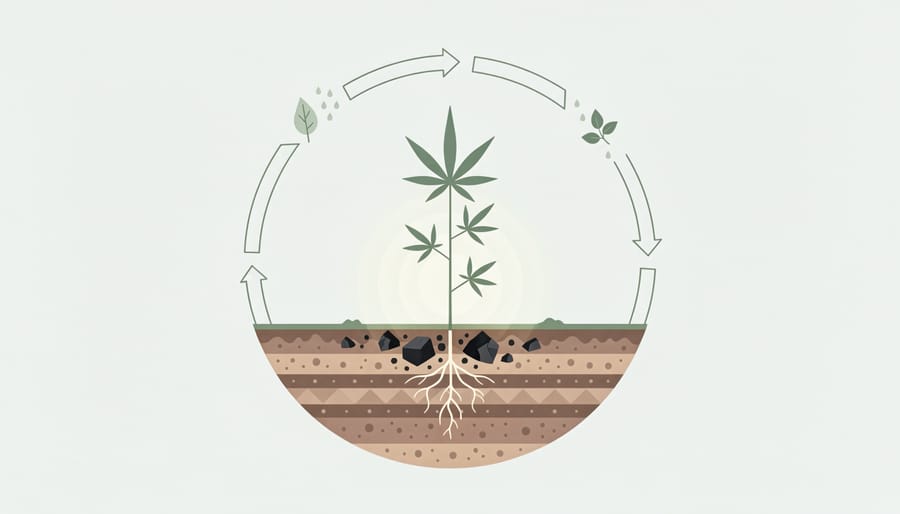
Hemp bioenergy operations can achieve genuine carbon-negative performance through strategic system design and cascading resource use. Life cycle assessments of well-managed hemp bioenergy projects consistently show net carbon sequestration when accounting for rapid CO₂ uptake during the four-month growth cycle, minimal fossil fuel inputs in cultivation, and long-term carbon storage in co-products.
The most compelling carbon-negative approach involves pyrolysis systems that convert a portion of hemp biomass into biochar while generating usable energy. This stable carbon form remains in soil for centuries rather than returning atmospheric CO₂ through decomposition. When integrated into cannabis-hemp operations, pyrolysis units process plant waste into energy while producing biochar amendments that improve soil structure, water retention, and nutrient availability in subsequent growing cycles.
Closed-loop facilities combine anaerobic digestion for biogas production with digestate recycling as organic fertilizer, eliminating synthetic nitrogen inputs and their associated emissions. Advanced operations pair biogas generators with carbon capture systems, further enhancing the carbon-negative profile while generating renewable natural gas credits.
The mathematics become increasingly favorable as operations scale. A well-designed integrated facility processing 1,000 hectares of hemp cultivation can sequester 2,500-3,500 tonnes of CO₂ equivalent annually while producing renewable energy, representing genuine climate mitigation rather than carbon neutrality alone. These circular systems demonstrate how renewable energy production can actively reverse atmospheric carbon accumulation.
Economic and Policy Landscape
The economic viability of hemp bioenergy depends on converging market forces and supportive policy frameworks that are evolving rapidly across global regions. The sector sits at the intersection of agricultural policy, renewable energy mandates, and emerging cannabis regulations, creating both opportunities and coordination challenges as governments seek policy harmonization across traditionally separate regulatory domains.
North America leads in market development, driven by both hemp legalization and aggressive renewable fuel standards. The United States Renewable Fuel Standard now explicitly recognizes advanced biofuels from non-food crops, opening pathways for hemp-derived ethanol and biodiesel to compete for blending mandates. Canada has integrated hemp biomass into provincial renewable energy procurement programs, while several US states offer production tax credits specifically for agricultural waste-to-energy systems that capture cannabis cultivation residues. These incentives have attracted renewable infrastructure investors who recognize the dual revenue potential from cannabinoid extraction and energy generation.
Key policy developments supporting hemp bioenergy deployment include:
- Renewable fuel standards expanded to include hemp-derived biofuels alongside conventional biomass feedstocks
- Agricultural subsidies redirected toward dual-purpose energy crops including industrial hemp
- Cannabis waste-to-energy incentives in jurisdictions with mature legal markets
- Carbon credit mechanisms that recognize hemp’s carbon sequestration during growth phase
- Cross-sector regulatory frameworks coordinating energy, agriculture, and cannabis policies
The European Union has integrated hemp into its Renewable Energy Directive targets, with Germany and France establishing specific support schemes for hemp biogas facilities co-located with agricultural operations. China, the world’s largest hemp producer, is piloting rural biomass energy programs that convert agricultural residues including hemp into distributed power, though these remain small-scale demonstration projects rather than commercial deployments.
Economic barriers persist despite policy momentum. Hemp bioenergy currently cannot compete with fossil fuels without subsidies, and the fragmented regulatory landscape across jurisdictions complicates large-scale infrastructure investment. Capital costs for conversion facilities remain high, and feedstock supply chains lack the maturity of established biomass industries. However, rising carbon prices, strengthening renewable mandates, and growing cannabis industry waste streams are improving the economic equation, particularly for integrated facilities that extract maximum value from each plant through cascading use strategies before final energy conversion.
Common Questions About Hemp Bioenergy
Common Questions About Hemp Bioenergy
As hemp bioenergy emerges as a viable renewable energy pathway, questions naturally arise about its practical implementation, economic feasibility, and relationship to both traditional agriculture and the expanding cannabis sector. Understanding these fundamentals helps clarify hemp’s potential role in global energy systems.
How does hemp’s energy yield compare to traditional food and energy crops?
Hemp produces comparable or higher biomass per hectare than many dedicated energy crops like switchgrass or miscanthus, with the advantage of a shorter 120-day growth cycle allowing multiple harvests in suitable climates. Unlike corn ethanol, hemp doesn’t directly compete with staple food production since industrial hemp varieties aren’t cultivated for human consumption.
What’s the difference between hemp and cannabis as bioenergy feedstocks?
Industrial hemp and cannabis are the same species but selected for different purposes, hemp for fiber and seed with minimal THC, cannabis for cannabinoid content. Both provide viable biomass for energy conversion, with cannabis cultivation generating substantial waste streams (stalks, leaves, trim) that can be diverted to bioenergy rather than disposal.
Is hemp bioenergy cost-competitive with fossil fuels today?
Currently, hemp bioenergy faces higher production costs than established fossil fuels without carbon pricing or subsidies, though economics improve significantly when hemp serves dual purposes, extracting cannabinoids or fibers first, then converting residues to energy. Integrated biorefinery models and scaling effects are narrowing the cost gap.
What are the main scalability challenges for hemp bioenergy?
Key obstacles include developing dedicated processing infrastructure, establishing consistent supply chains across growing regions, and navigating varying regulatory frameworks that still restrict hemp cultivation in some jurisdictions. Seasonal harvest logistics and storage requirements also present coordination challenges for year-round energy facilities.
These considerations reveal both the promise and practical hurdles facing hemp bioenergy deployment. The technology exists and functions effectively at demonstration scale, but transitioning to widespread commercial viability requires coordinated advances in agronomy, processing efficiency, policy support, and market development. The intersection with cannabis industry expansion creates unique opportunities, cultivation facilities already handling hemp genetics can integrate energy recovery systems for their waste streams, creating immediate circular economy benefits while building supply chains that may eventually support dedicated energy crops. This dual-track approach, leveraging both cannabis byproducts and purpose-grown energy hemp, offers a pragmatic pathway to scale that addresses infrastructure and economics simultaneously.
Hemp bioenergy stands at a unique intersection where agricultural innovation meets energy transition imperatives. As the cannabis industry expands globally, the opportunity to transform cultivation waste and dedicated hemp crops into renewable fuel grows in tandem. The technology exists, the sustainability metrics are compelling, and pilot projects worldwide have demonstrated technical feasibility. Yet scaling from niche applications to meaningful grid contributions requires coordinated action across policy frameworks, investment channels, and supply chain infrastructure.
The innovations emerging in 2026 signal a maturing sector. Integrated biorefineries that extract both cannabinoids and energy represent the kind of resource optimization that twenty-first-century sustainability demands. Genetic advances producing higher-yielding, dual-purpose cultivars address the economic barriers that have historically constrained biomass energy. Carbon-negative production pathways offer not just renewable energy, but active climate remediation.
Hemp bioenergy will not displace solar panels or wind turbines as primary renewable sources, nor should it. Its value lies in complementary roles: distributed generation in agricultural regions, waste stream valorization in cannabis operations, and flexible biogas that can balance intermittent renewables. The trajectory points toward hemp becoming a recognized, if specialized, component of diversified renewable portfolios.
The convergence of cannabis normalization and decarbonization goals creates momentum. What began as agricultural byproduct management is evolving into a strategic renewable resource. With continued innovation and supportive policy, hemp can claim its place in the global clean energy landscape.