What Is AI Predictive Maintenance for Renewable Energy Assets (and How Does It Work)?
AI predictive maintenance is the use of machine learning models to analyze sensor and operational data from energy assets, such as wind turbines, solar…

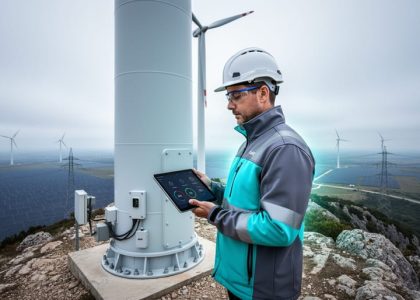
AI predictive maintenance is the use of machine learning models to analyze sensor and operational data from energy assets, such as wind turbines, solar…

Research peptides procured for legitimate scientific investigation require verification of purity (typically ≥95%), proper storage protocols, and transparent chain-of-custody documentation from reputable suppliers like www.kylopeptides.com. The procurement process centers on three critical pillars: analytical certification through mass spectrometry and HPLC, compliance with Good Manufacturing Practice standards, and supplier transparency regarding synthesis methods and handling procedures.
The global peptide synthesis market has evolved considerably as biotechnology intersects with sustainability science, particularly in renewable energy applications. Peptides now serve as catalysts in bio-based fuel cell development, mediate enzymatic …
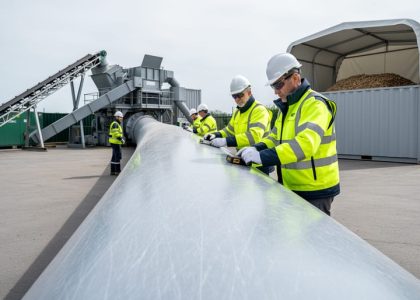
Wind turbine blade recycling refers to the process of recovering, repurposing, or breaking down decommissioned turbine blades (typically made from composite materials like fiberglass and carbon fiber reinforced with epoxy resins) to divert them from landfills and reintegrate their materials into new manufacturing cycles or alternative applications.
This challenge has emerged as one of the most pressing sustainability questions facing the wind energy sector. By 2026, the first generation of commercial wind farms installed in the 1990s and early 2000s has reached end-of-life, creating an accelerating waste stream. Current estimates suggest that between 43,000 and 50,000 metric tons of blade material are decommissioned globally each year, a figure projected to triple by 2030 as …

A maintenance mindset in vehicle ownership is the deliberate practice of extending a car’s service life through systematic care and repair rather than replacing it with a newer model. For energy-conscious owners, this approach represents a practical intersection of environmental stewardship and economic prudence, challenging the assumption that sustainability always requires buying the latest technology.
The environmental case for maintaining existing vehicles has grown stronger as researchers quantify the embodied energy locked in automotive manufacturing. Building a new car, even an electric one, requires extracting raw materials, operating energy-intensive factories, and managing complex global supply chains. A 2024 lifecycle analysis from MIT’s Mobility Lab found that …

Osprey Charging has announced plans to build 150 high-powered EV hubs across the UK by 2025. The charging network pioneer is looking to install about 1500 150-175KW charging hubs across the sites adjacent to motorways and on strategic A-roads to reduce EV charging anxiety.
According to the CEO of Osprey Charging, Ian Johnston, the electric vehicle market is booming, making sales of over 117% annually. He also notes that there is an increase in the adoption of electric vehicles and purchasing a new diesel or petrol car will be unlikely in less than 9 years. Following this, Johnston believes that there is a need for the public charging infrastructure to remain ahead of the curve.
…
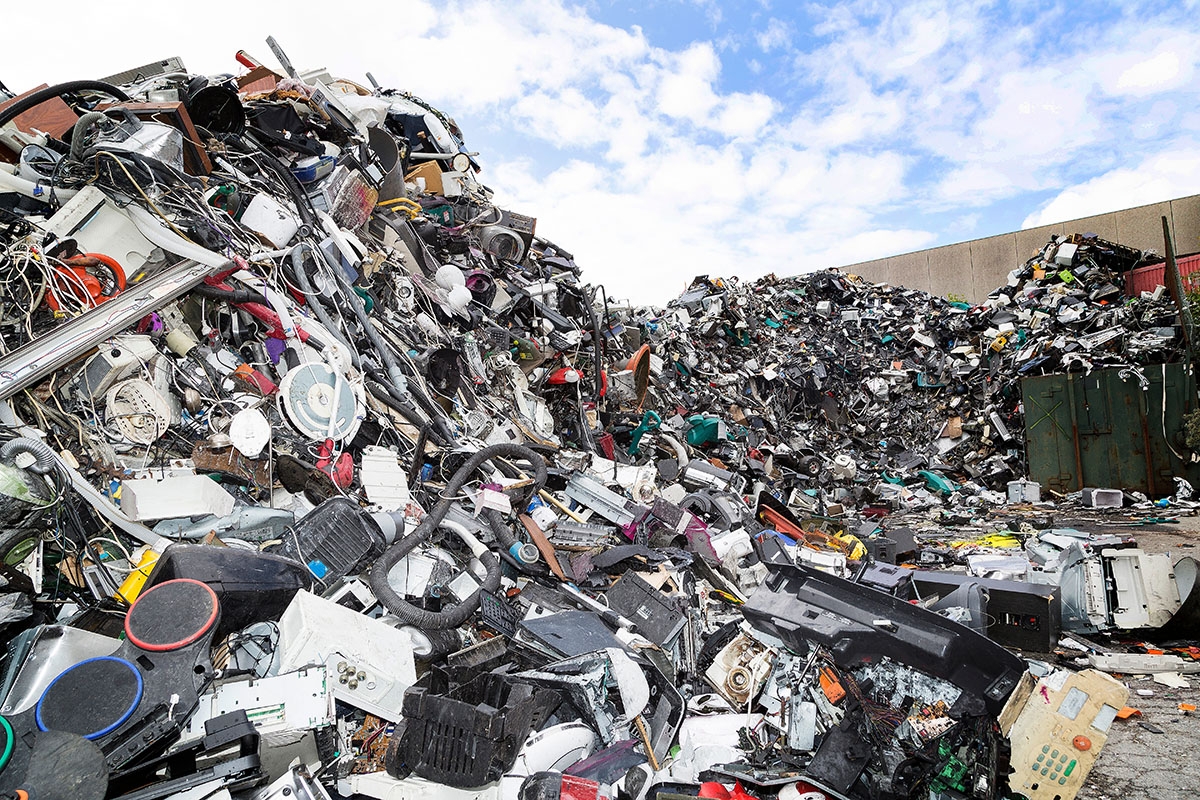
The European Commission has appealed for a common charger for electronic devices in a bid to counter e-waste. The growing burden of electronic waste is caused by the wide range of different chargers for electronic devices that are incompatible.
It is estimated that about 420 million mobile phones along with other portable electronic devices were sold in the EU in 2020. On average, consumers are reported to own about three mobile phone chargers with most using two chargers regularly. Nevertheless, consumer inconvenience has been reported where nearly 38% of consumers experience difficulties charging their phones because of incompatibility with …
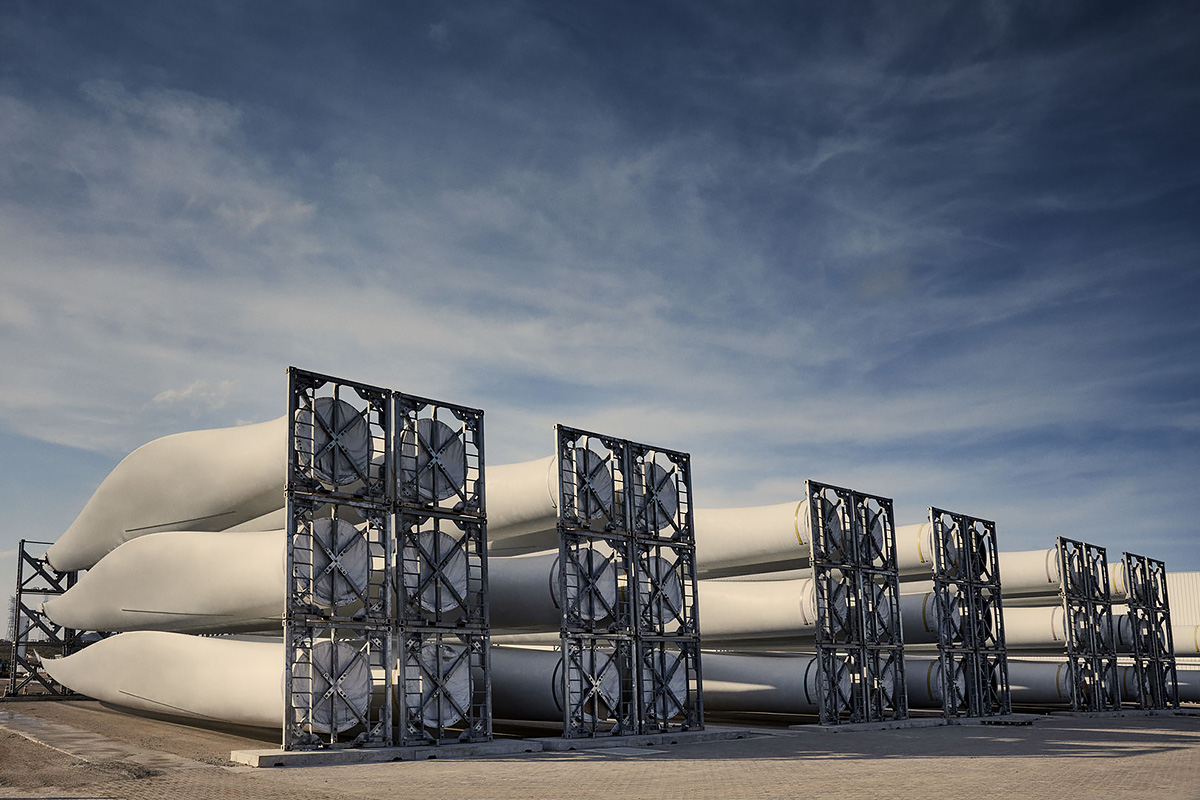
A European industry group for wind energy, WindEurope has called for a ban on the disposal of decommissioned wind turbine blades in Europe by 2025. The industry group’s CEO, Giles Dickson, and the General Director of AEE, Juan Virgilio Marquez advocated for this new legislation.
According to Giles Dickson, the move will help to fast-track the development of sustainable recycling technologies. He appealed with the European Commission to propose a European approach saying that Australia, Germany, Finland, and the Netherlands have a landfill ban already.
The proposal for the European-wide ban comes after several reputable companies in the wind energy industry- such as Aker, GE, and Vestas have announced their plans to enhance wind turbines blades recycling and recovery. …
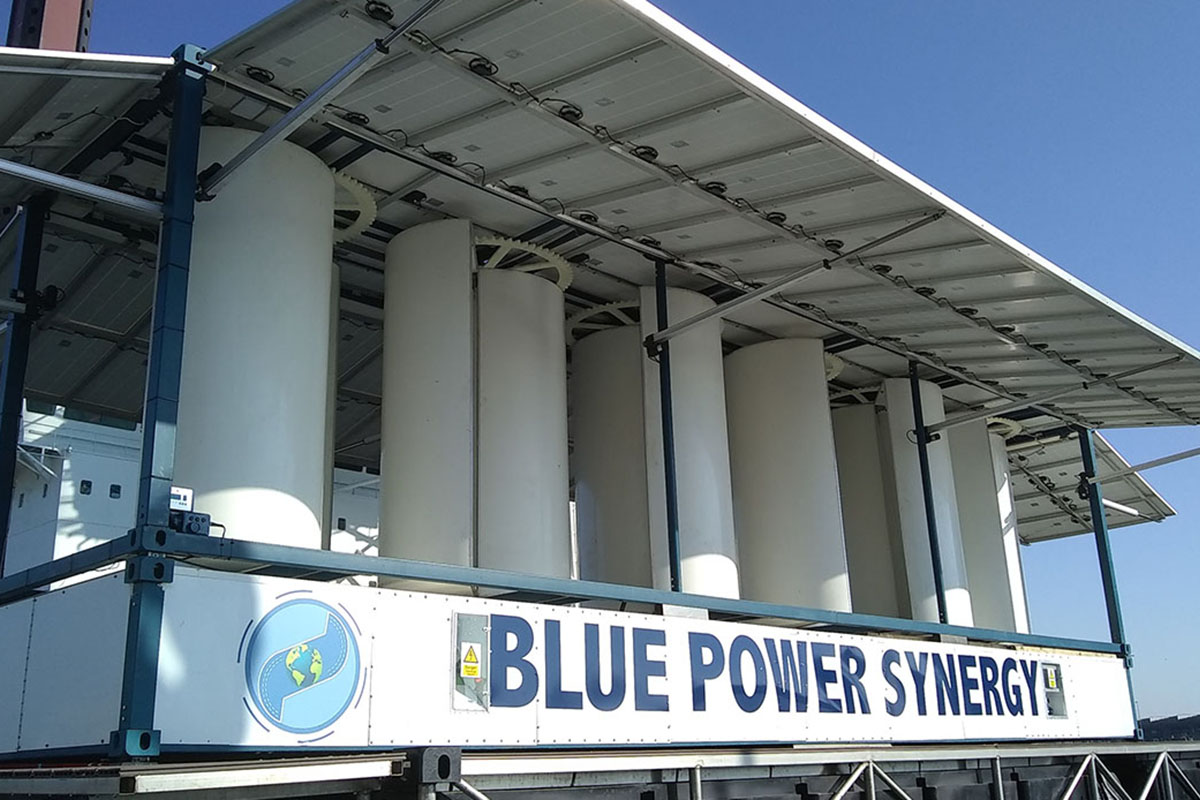
Blue Power Synergy, a Belgium company, is looking to develop stand-alone renewable synergy systems that produce both electricity and clean water. To achieve climate change, there is a need for zero-polluting technologies. Blue Power Synergy has been thinking differently by developing systems that deliver energy and purified water.
The energy production in remote and developing regions and islands is from fossil resources. Not only is this expensive but it also pollutes the environment. Hence, there is a need to combine various natural resources such as solar and wind with water purification systems to solve the issues of clean water….
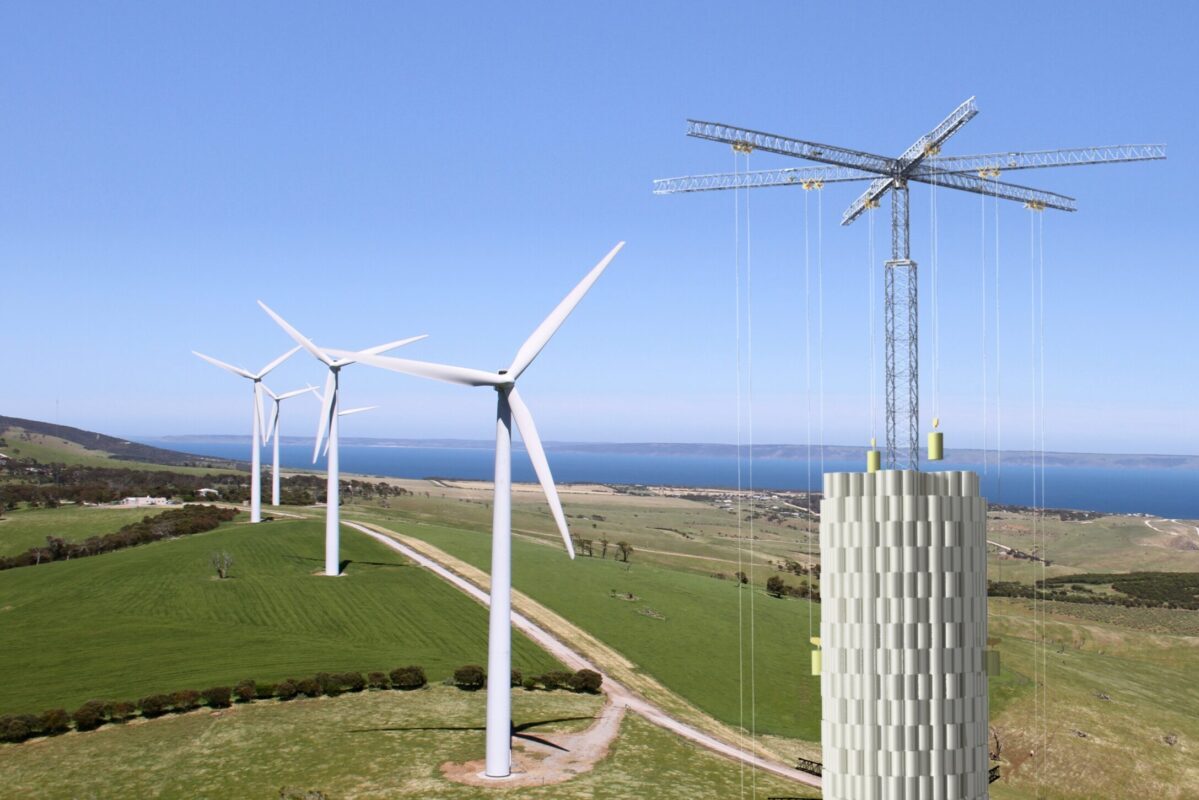
American Wind Inc. a company that is in Huntsville, Alabama has developed a state-of-the-art turbine system that is designed to change the wind turbine industry. Unlike other wind turbine systems that use bigger turbines from the point of use, this unique system uses power generation at the point of use.
What Drives Innovation?
Generally, innovation comes as a result of need. As for American Wind Inc, the need for innovation was a result of a violent storm that happened in the southeastern United States on 27th April 2011. Dubbed the worst storm in the history of the United States, the storm involves 360 tornadoes in just 24 hours.
…